
Nyagak III Hydroelectric Power Project
Commissioning of 6.6 MW Horizontal Francis Hydro Power Plant – Uganda
Munish Kumar
8/1/2025
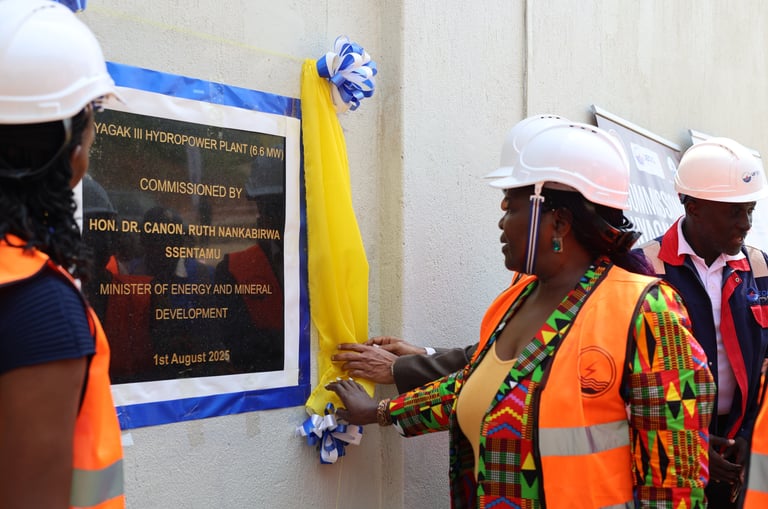
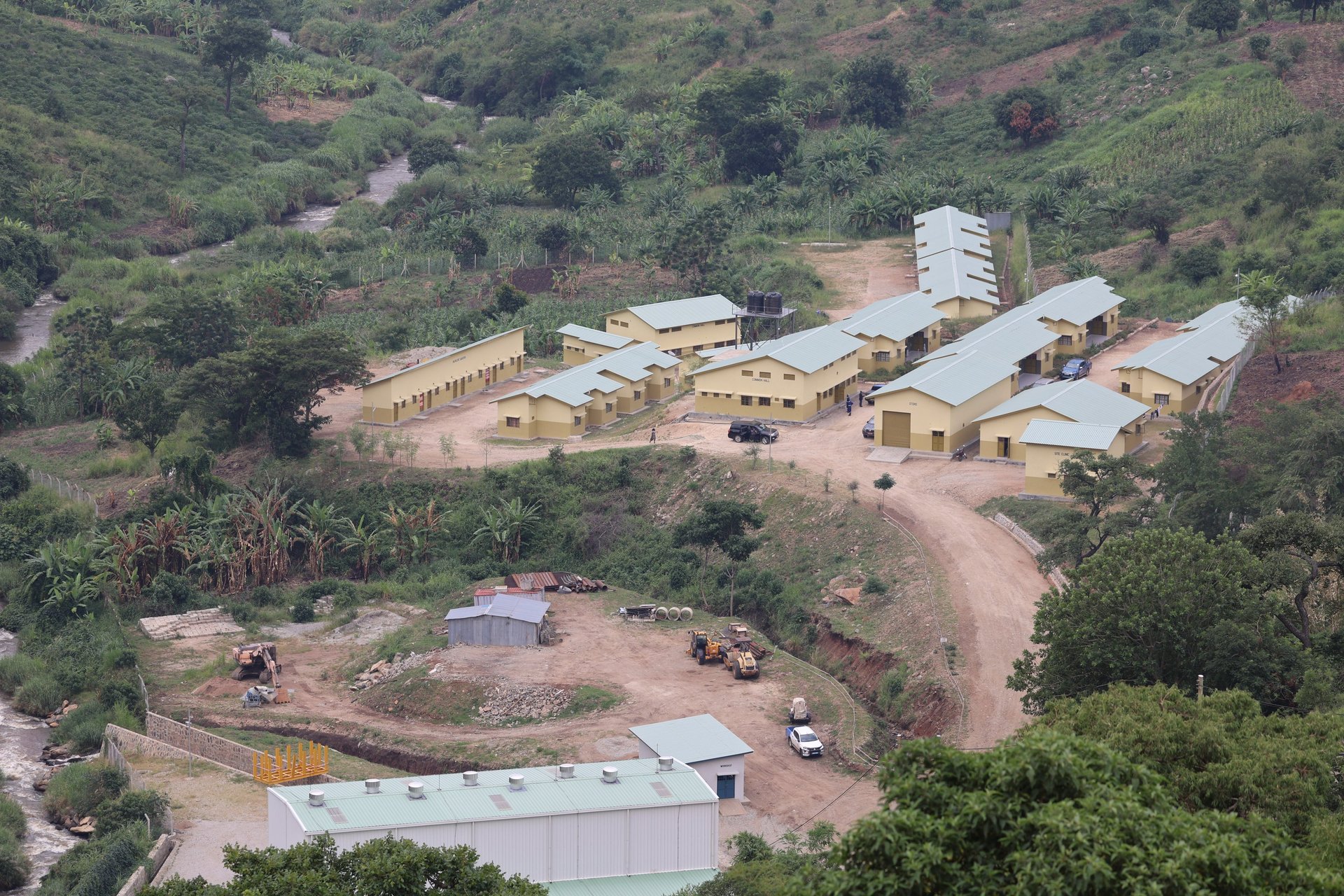
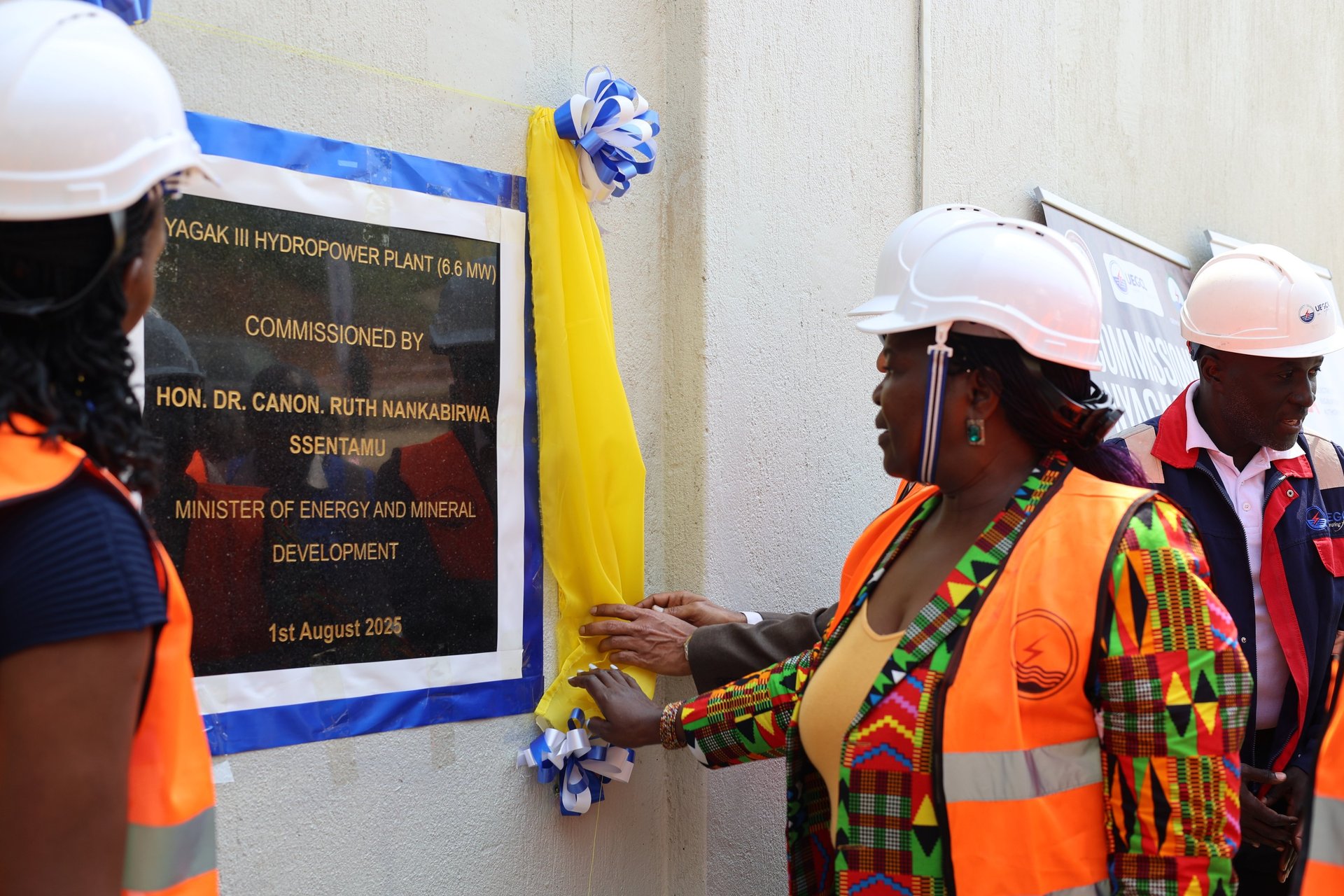
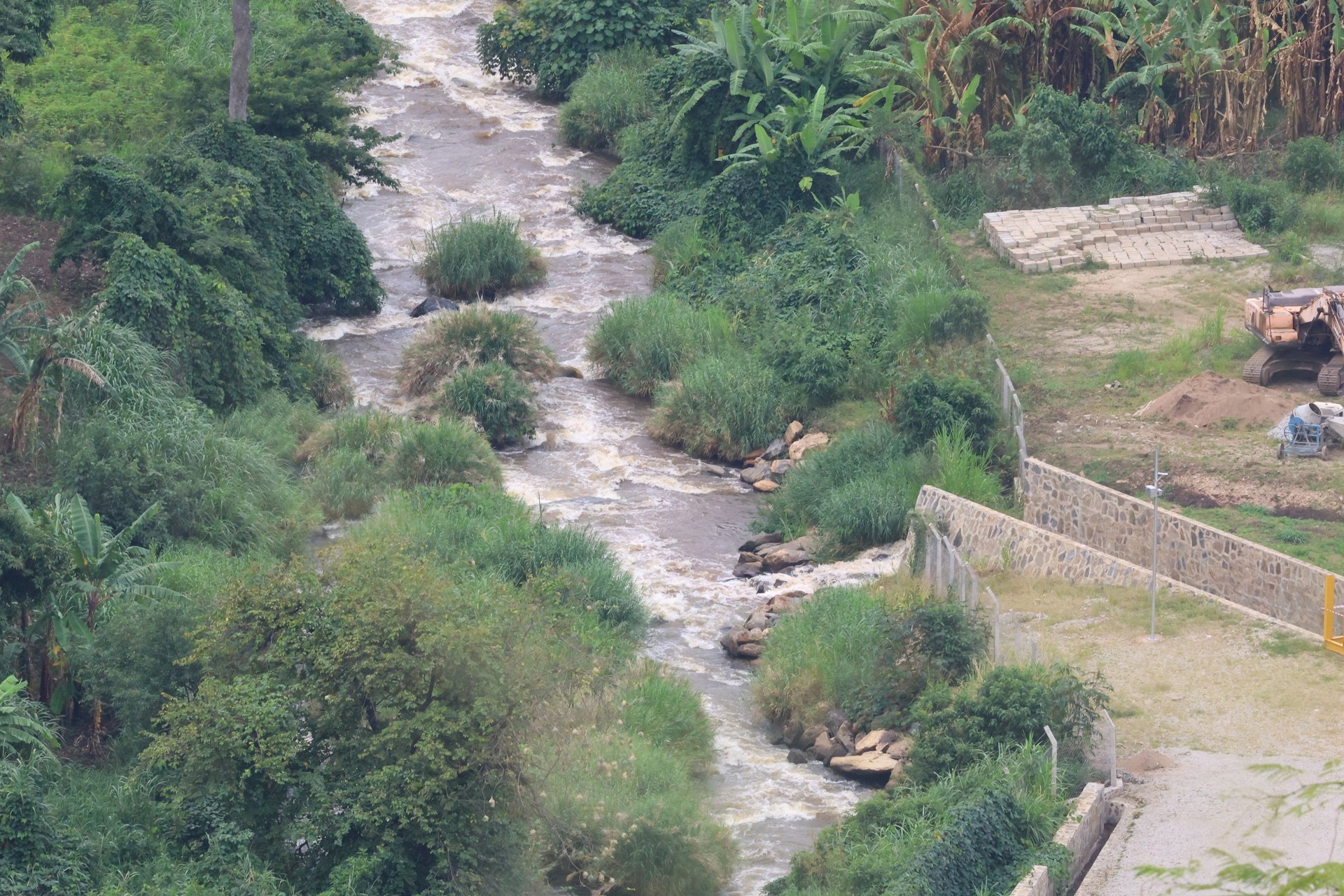
The Nyagak III Hydroelectric Power Station, commissioned on 1 August 2025, is a 6.6 MW run-of-river hydropower development located on the Nyagak River in Zombo District, Uganda.
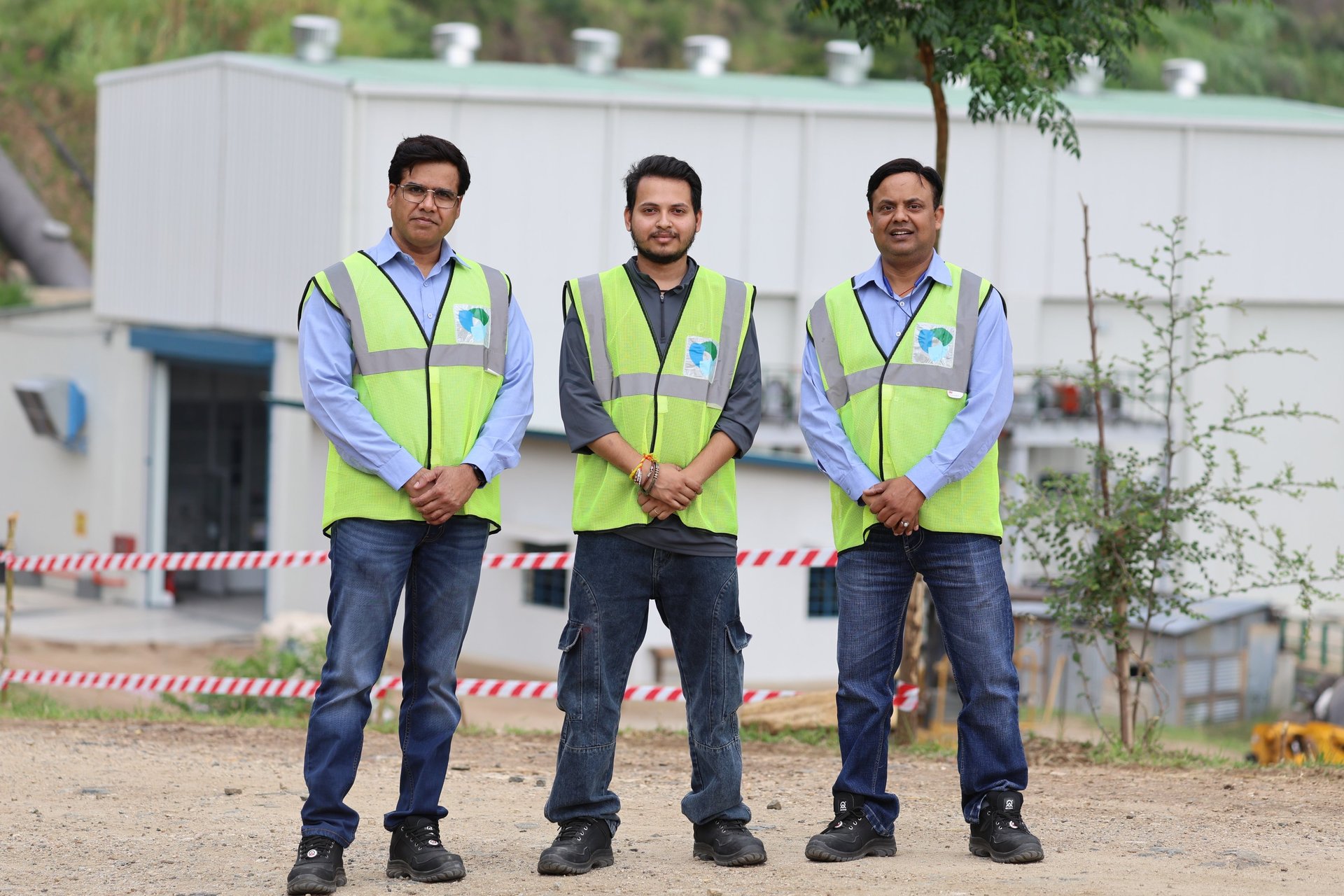
As a commissioning engineer from Flovel, I was involved in the final stages of testing, synchronization, and performance validation of the generating units.
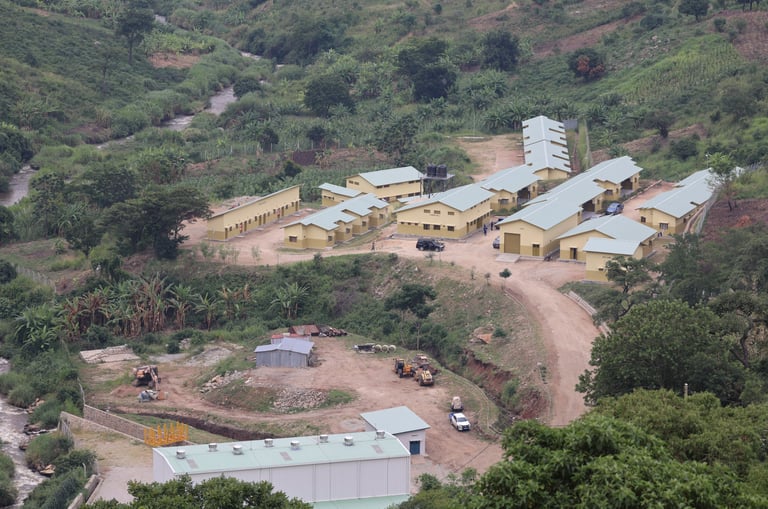
Key Technical Parameters
Installed Capacity: 6.6 MW (2 × 3.3 MW Horizontal Francis Turbines)
Type: Run-of-river scheme with low-height diversion structure (~7 m)
Annual Energy Output: ~36 GWh
Grid Interface: 33 kV evacuation line
Operational Model: Public-Private Partnership under Genmax Nyagak Ltd
Commissioning Scope Highlights
The commissioning phase included:
Mechanical and electrical erection checks
Alignment verification and turbine-generator coupling validation
Protection relay testing and grid compliance verification
Synchronization and load trials
Performance monitoring under varying discharge conditions
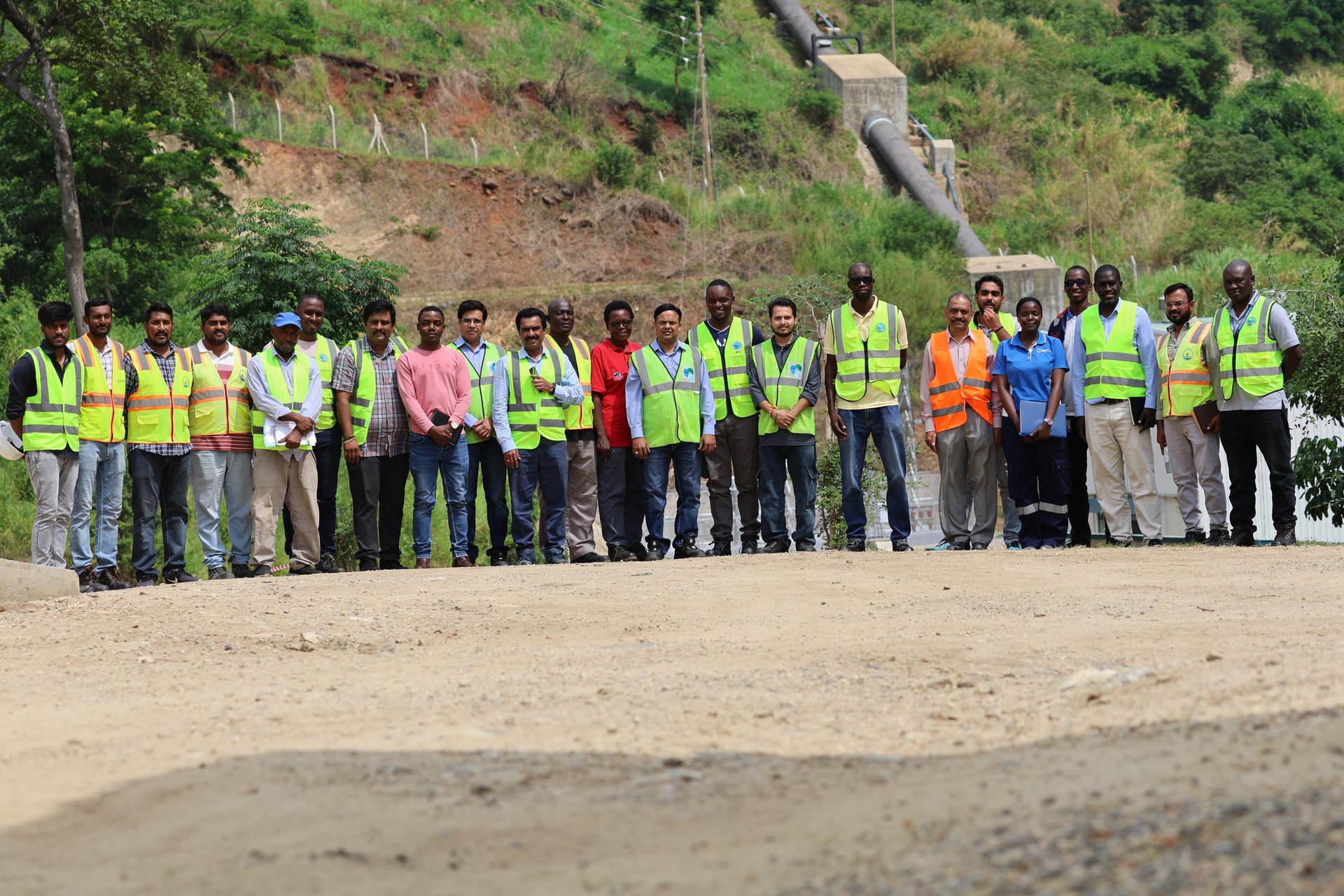
Given the extended project timeline and financing restructuring, careful coordination between stakeholders — including Uganda Electricity Generation Company Limited — was critical to successful delivery.
The successful synchronization and inauguration represent a significant contribution to grid stability in the West Nile region of Uganda, supporting regional electrification and industrial growth.
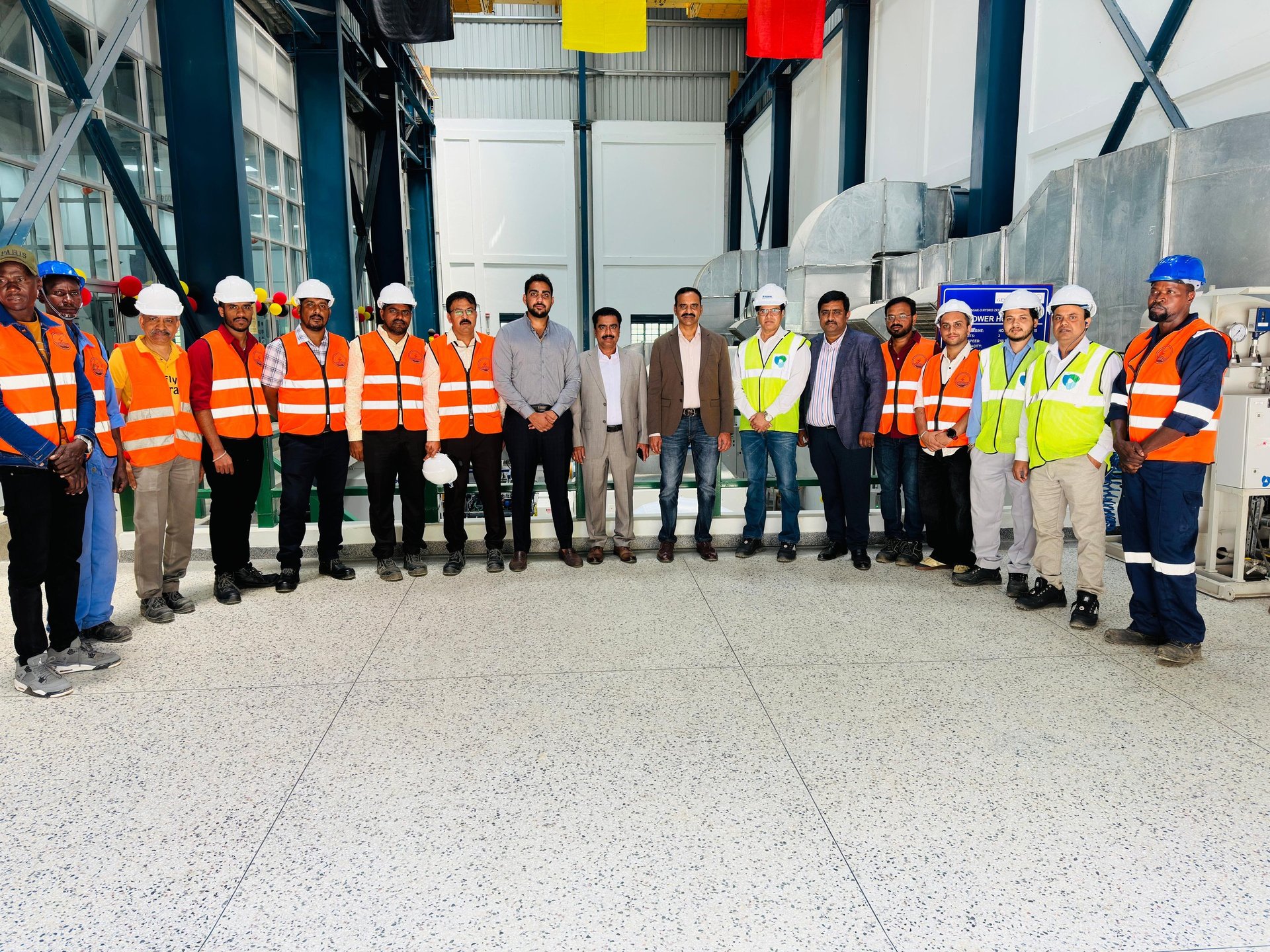
A Proud Moment at Nyagak III – Powering West Nile

Understanding Hydropower Plants: Basics, Types, and Technologies
Hydropower plants generate electricity by converting the energy of flowing or falling water into mechanical energy, which is then converted into electrical energy. It is one of the oldest and most reliable forms of renewable energy in the world.
At its core, a hydropower plant works on a simple principle: water at a higher elevation possesses potential energy. When it flows downward due to gravity, this energy is converted into kinetic energy. The moving water spins a turbine, which drives a generator to produce electricity.
Main Components of a Hydropower Plant
Most hydropower plants — including the Nyagak III Hydroelectric Power Station — consist of:
Dam or Diversion Weir – Raises water level to create head (height difference).
Intake Structure – Controls water flow into the system.
Penstock – A large pipe that conveys water to the turbine.
Turbine – Converts water energy into mechanical rotation.
Generator – Converts mechanical energy into electrical energy.
Transformer & Switchyard – Steps up voltage for transmission to the grid.
Types of Hydropower Plants
Hydropower plants are classified based on how they use water:
1. Run-of-River (RoR) Plants
These plants use the natural flow of the river with little or no water storage. They have minimal environmental impact and depend on
seasonal river flow.
Nyagak III is an example of this type — making it environmentally friendly and suitable for medium and small rivers.
2. Storage (Reservoir) Plants
These use large dams to store water in reservoirs. Water can be released as needed, allowing better control over electricity generation.
These plants are typically large-scale and provide grid stability.
3. Pumped Storage Plants
These plants store energy by pumping water to a higher reservoir during low electricity demand and releasing it during peak demand. They
function like large energy storage batteries for the grid.
Types of Turbines Used in Hydropower
Different turbine types are selected based on water head (height) and flow rate:
1. Pelton Turbine
Used for high head, low flow conditions
Water jets strike spoon-shaped buckets
Common in mountainous regions
2. Francis Turbine
Used for medium head and flow
Mixed-flow design
One of the most widely used turbines globally
Used in Nyagak III (horizontal configuration)
3. Kaplan Turbine
Used for low head, high flow conditions
Adjustable blades for efficiency across varying flows
Suitable for large rivers with low elevation difference
Why Hydropower Is Significant
Hydropower plays a critical role in national and regional energy systems:
1. Renewable & Clean Energy
It produces electricity without burning fossil fuels, reducing greenhouse gas emissions.
2. Grid Stability
Hydropower plants can start and stop quickly, making them ideal for balancing supply and demand fluctuations.
3. Long Operational Life
Well-maintained hydropower plants can operate for 40–100 years.
4. Low Operating Costs
After construction, operating costs are relatively low compared to thermal power plants.
5. Regional Development
Small and medium hydro projects bring electricity to remote regions, stimulating economic growth, agro-processing, healthcare services,
and education.
Hydropower in Developing Regions
In countries like Uganda, hydropower forms the backbone of the electricity mix. Small and medium hydropower projects are particularly
important because they:
Reduce dependency on diesel generation
Improve rural electrification
Support industrial expansion
Enhance energy security
Projects such as Nyagak III demonstrate how even modest-capacity plants can have transformative regional impact.
Hydropower engineering is a multidisciplinary field — combining civil engineering, mechanical systems, electrical engineering, environmental management, and grid integration.
Understanding how water is transformed into electricity provides insight into one of the most sustainable and dependable energy technologies available today.