
Kambangan HPP (2 x 2MW) - Advancing Sustainable Energy Generation in Indonesia.
Indonesia's transition toward renewable energy has accelerated in recent years, with hydropower emerging as one of the country's most dependable clean energy resources. Among the notable developments supporting this transition is the Kambangan Mini Hydropower Plant (PLTM Kambangan), a renewable energy project that demonstrates how small-scale hydropower can deliver reliable electricity while promoting sustainable regional development.
Munish Kumar
7/14/2026
Project Overview
PLTM Kambangan is classified as a Mini Hydropower Plant (Pembangkit Listrik Tenaga Minihidro – PLTM).
Unlike conventional large hydroelectric dams that require extensive reservoirs, mini-hydropower plants typically operate using run-of-river or low-storage systems. This approach enables electricity generation while minimizing environmental impacts such as land inundation and ecosystem disruption.
Key Project Details
Feature : Details
Project Name : PLTM Kambangan
Country : Indonesia
Province : Central Java
Installed Capacity : 4 MW
Energy Source : Renewable Hydropower
Technology : Mini Hydropower (PLTM)
Primary Resource : Flowing River Water
Primary Objective : Clean Electricity Generation
PLTM Kambangan forms part of Indonesia's broader renewable energy expansion strategy and serves as a model for decentralized clean energy infrastructure capable of supplying reliable electricity to regional communities.
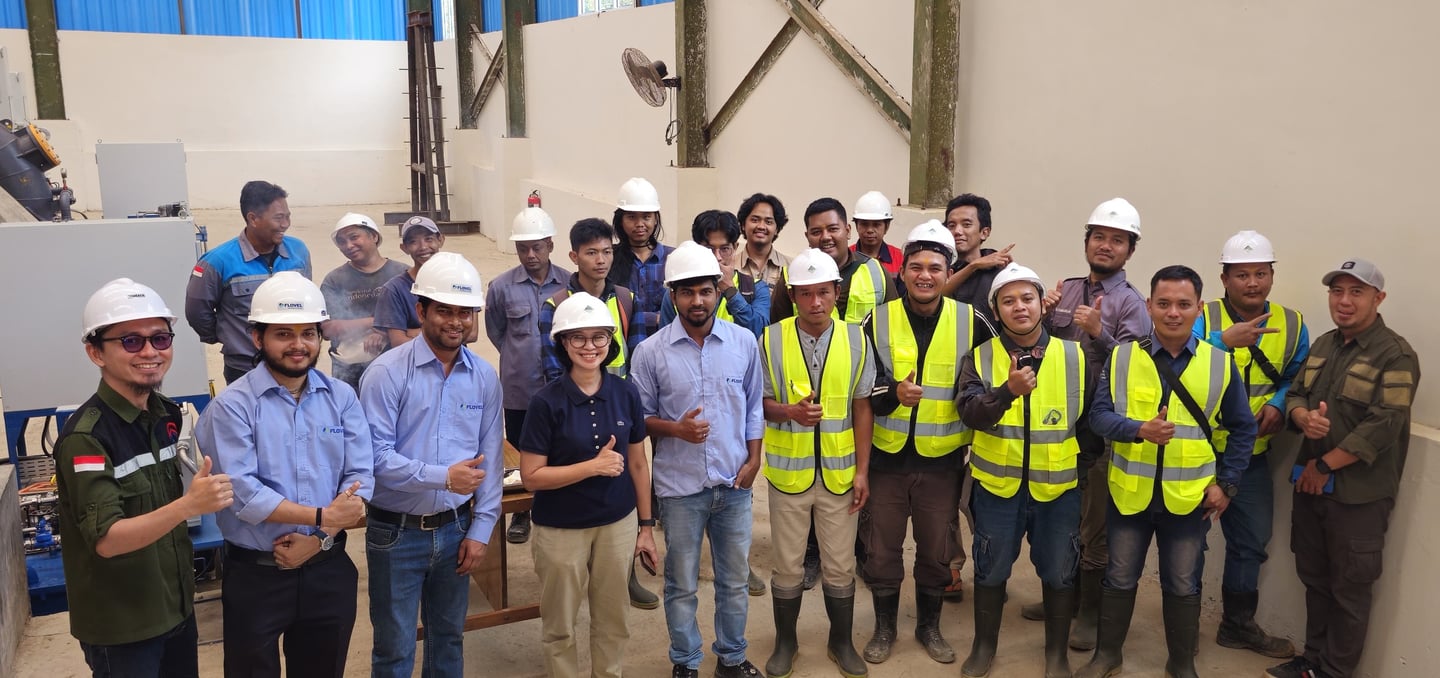
Located in Kambangan Village, Blado District, Batang Regency, Central Java, PLTM Kambangan reflects Indonesia's strategy of utilizing its abundant river systems to generate renewable electricity with relatively low environmental impact. Designed with an installed capacity of 4 MW, the facility contributes to the country's renewable energy goals while supporting rural electrification and local economic growth.
PLTM Kambangan is located in:
Village: Kambangan
District: Blado
Regency: Batang
Province: Central Java
Country: Indonesia
The surrounding region is also known for its agricultural productivity, making the project an excellent example of integrating renewable energy development with sustainable land use and rural economic advancement.
The project benefits from Central Java's mountainous landscape and perennial river systems. High annual rainfall, combined with significant elevation differences, creates ideal conditions for hydropower generation by providing a consistent water supply and sufficient hydraulic head.
Geographic Location
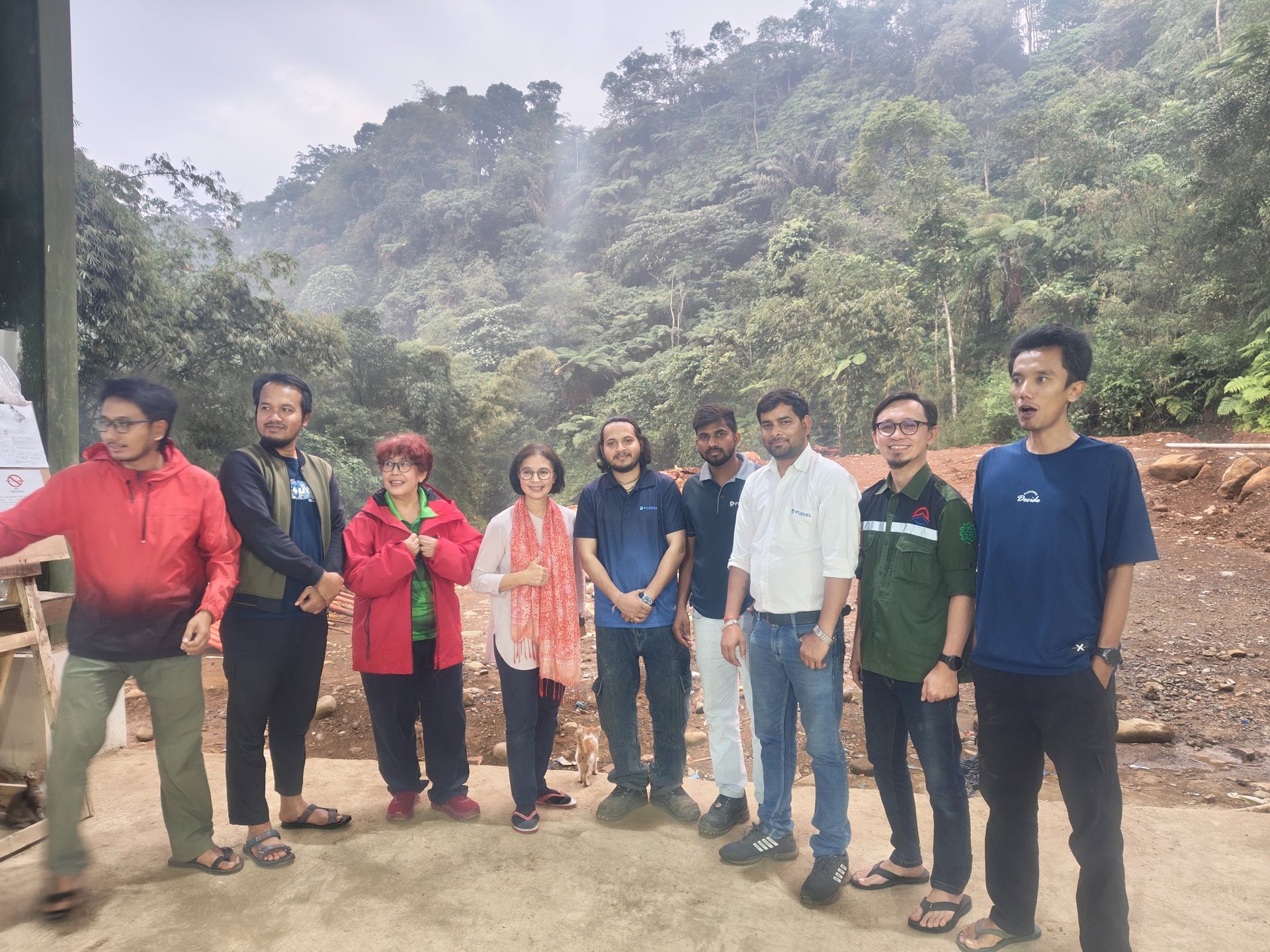
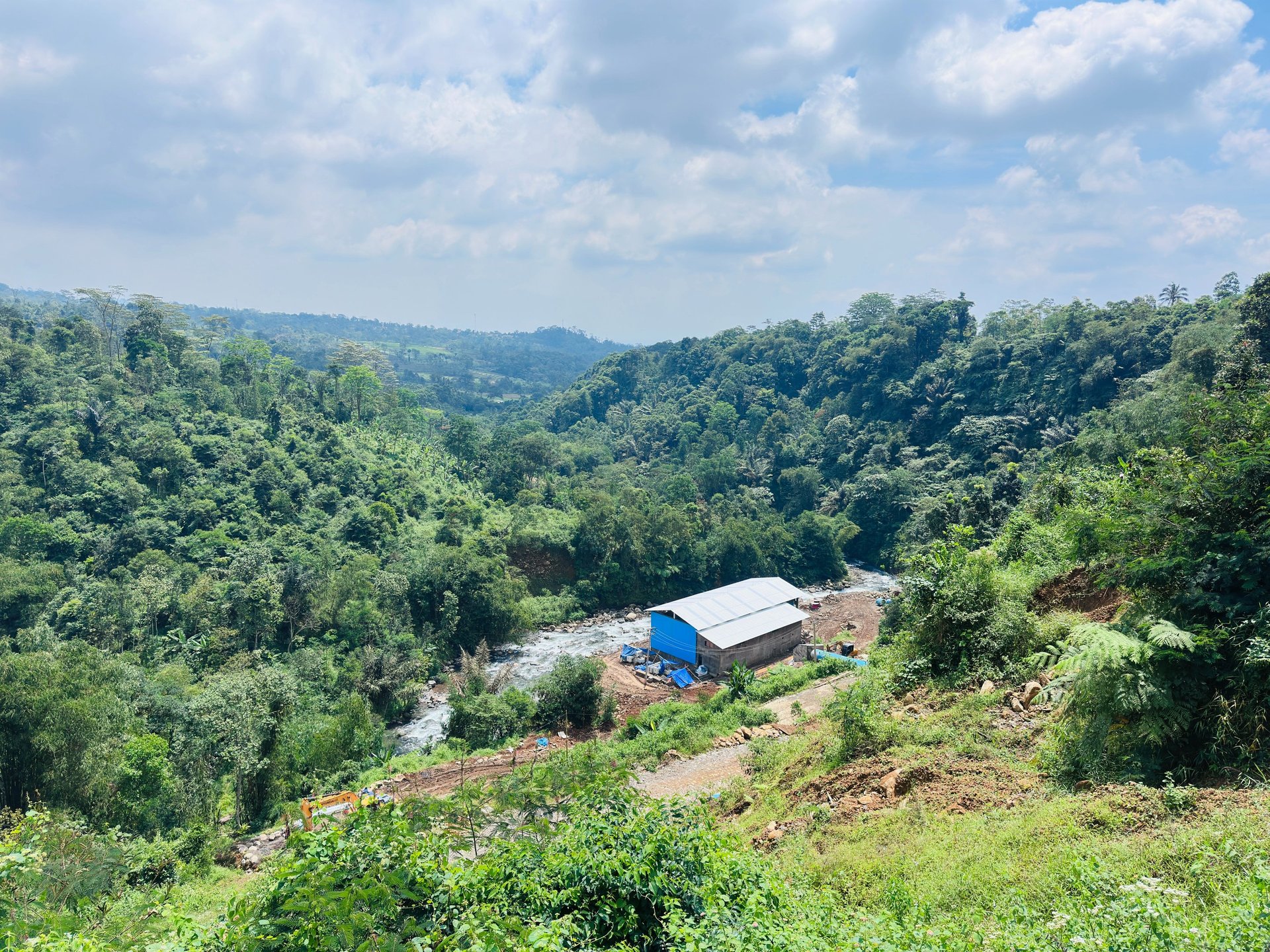
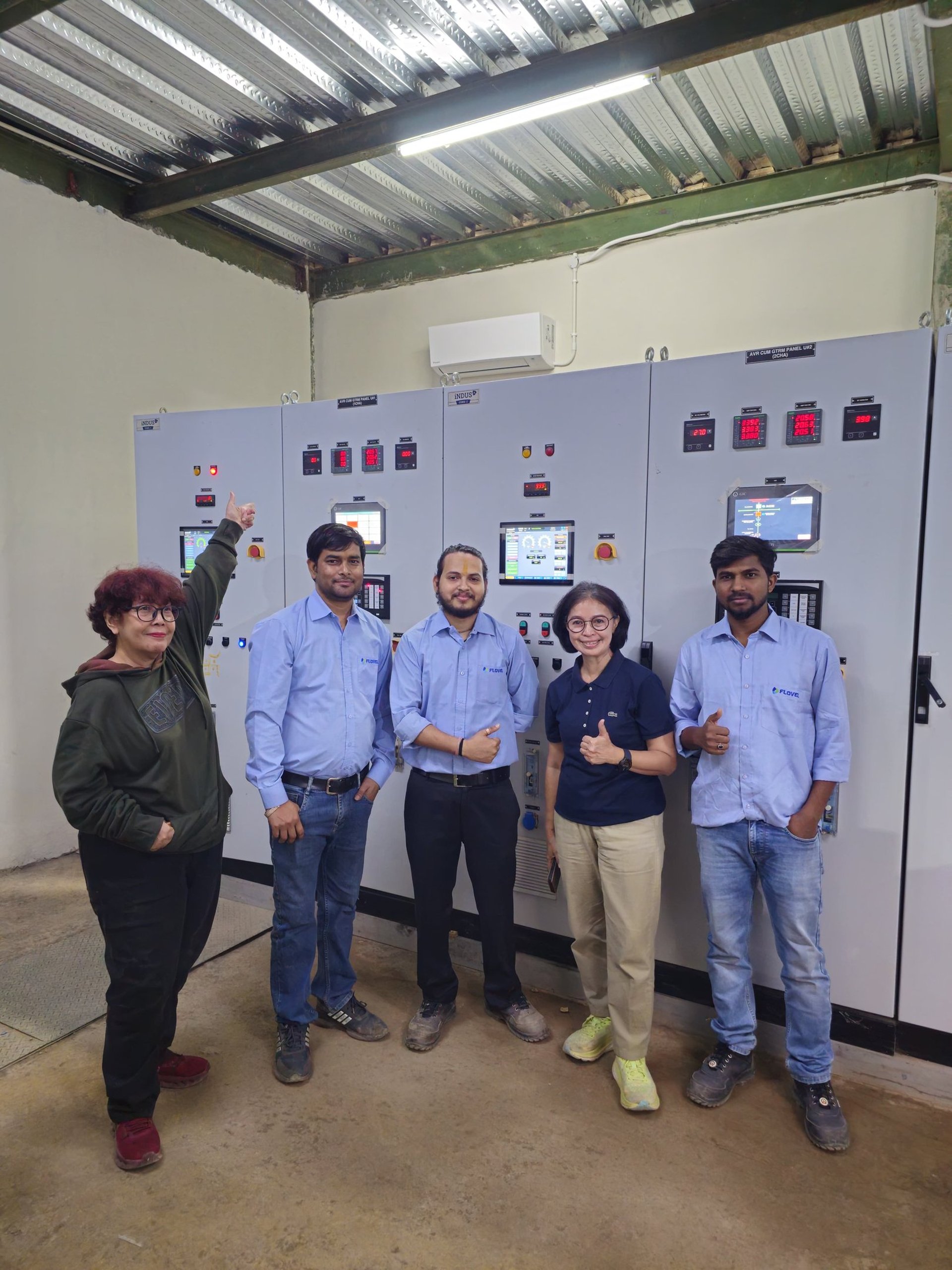
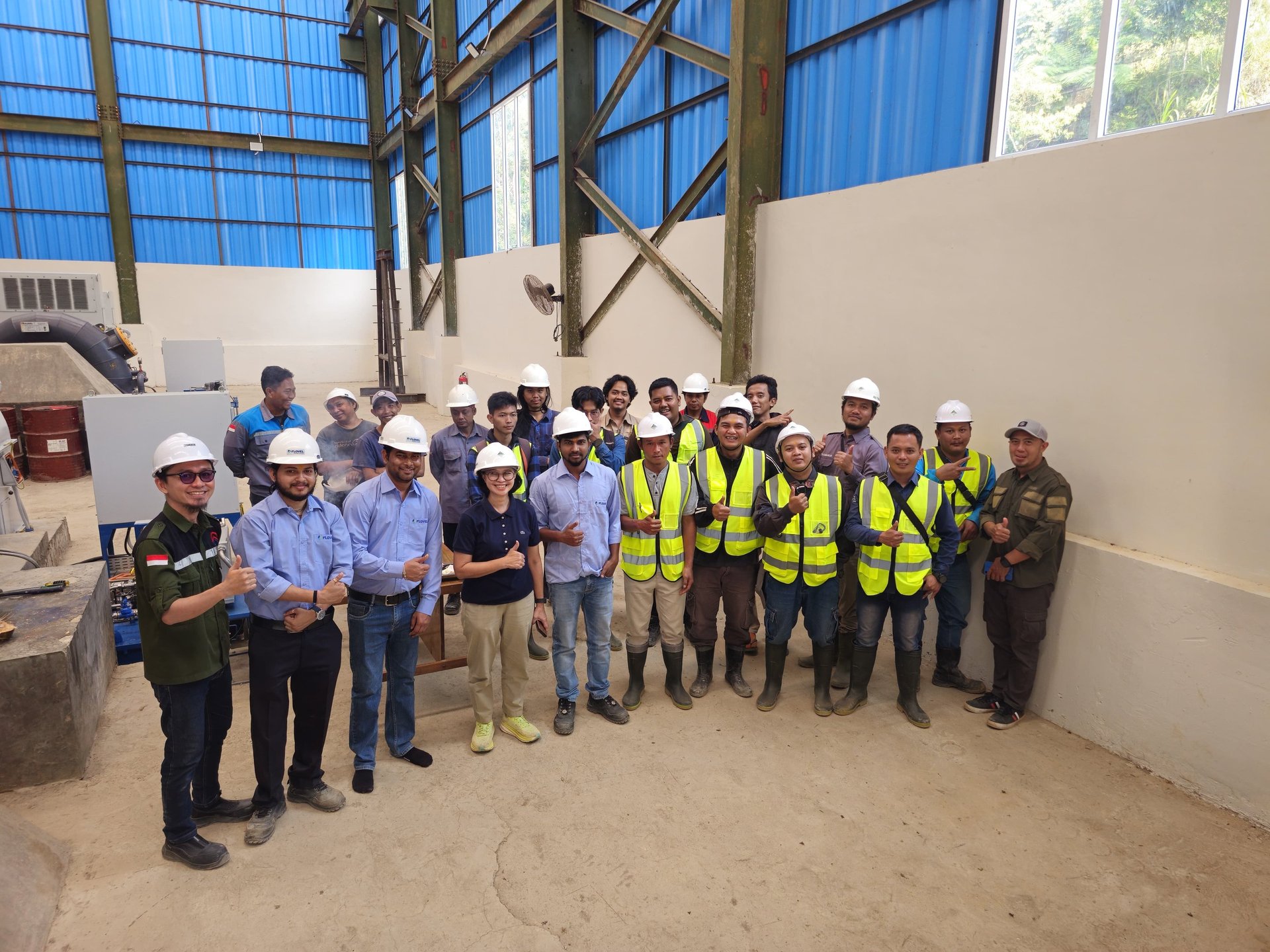
PLTM Kambangan forms part of Indonesia's broader renewable energy expansion strategy and serves as a model for decentralized clean energy infrastructure capable of supplying reliable electricity to regional communities.
Smart Monitoring and Operational Visualization
Academic research has also explored the implementation of digital visualization and monitoring systems for PLTM Kambangan. These systems provide real-time data on turbine operation, control systems, and overall plant performance, enabling:
Continuous operational monitoring
Predictive maintenance
Improved efficiency
Enhanced operational safety
Faster fault detection
Such technologies support more effective plant management while reducing downtime and maintenance costs.
Sustainable Agro-Energy Integration
An innovative aspect of the Kambangan project is its integration into the concept of a Sustainable Agro Energy System (SAE).
Rather than functioning solely as a power generation facility, PLTM Kambangan has been proposed as part of a broader development model that combines:
Renewable energy generation
Integrated agricultural development
Rural economic growth
Eco-tourism
Environmental conservation
This integrated approach seeks to maximize the value of natural resources while creating diversified income opportunities and promoting sustainable livelihoods for surrounding communities.
Environmental Benefits
Mini-hydropower facilities such as PLTM Kambangan provide several environmental advantages compared with conventional fossil-fuel-based power plants.
Low Carbon Emissions
Electricity is generated using flowing water without combustion, resulting in significantly lower greenhouse gas emissions during operation.
Minimal Reservoir Requirements
Because mini-hydropower plants generally rely on natural river flows rather than large reservoirs, they typically result in:
Reduced land inundation
Lower habitat disturbance
Smaller ecological impacts
Better preservation of natural river systems
Renewable Energy Source
Water is continuously replenished through the natural hydrological cycle, making hydropower a reliable and renewable energy source when managed responsibly.
Economic and Social Impact
PLTM Kambangan contributes to regional development through multiple economic and social benefits.
Rural Electrification
The project strengthens electricity supply in surrounding communities, supporting households, businesses, schools, healthcare facilities, and other public services.
Employment Generation
Construction, operation, and maintenance activities create employment opportunities for local residents while stimulating economic activity throughout the region.
Infrastructure Development
Renewable energy investments often contribute to improvements in:
Road infrastructure
Utility services
Communication networks
Technical training and workforce development
Agricultural Support
Reliable electricity also benefits agriculture by powering:
Irrigation systems
Agricultural processing facilities
Cold storage
Small-scale agro-industries
These improvements enhance productivity and support local agricultural value chains.
Contribution to Indonesia's Renewable Energy Goals
Indonesia has established ambitious targets to increase the share of renewable energy within its national energy mix. Mini-hydropower projects such as PLTM Kambangan support these objectives by:
Diversifying energy resources
Reducing dependence on fossil fuels
Improving grid reliability
Supporting decentralized electricity generation
Promoting sustainable regional development
Their relatively short construction periods, scalability, and suitability for remote locations make mini-hydropower plants an attractive solution for harnessing Indonesia's extensive river networks and mountainous terrain.
Future Potential
Engineering research surrounding PLTM Kambangan highlights several opportunities for future development, including:
Digital plant monitoring
Predictive maintenance technologies
Advanced turbine optimization
Smart grid integration
Improved hydraulic protection systems
Expanded agro-energy applications
These innovations position projects such as PLTM Kambangan as examples of how renewable energy infrastructure can evolve beyond electricity generation to become integrated platforms for sustainable rural development.
Conclusion
The Kambangan Mini Hydropower Plant (PLTM Kambangan) represents more than a 4 MW renewable energy facility; it illustrates how modern engineering, sustainable resource management, and community-focused development can work together to create long-term value. Located in the highlands of Kambangan Village, Blado District, Batang Regency, Central Java, the project harnesses local water resources to generate clean electricity while supporting agricultural productivity, infrastructure development, and Indonesia's broader energy transition.
As Indonesia continues expanding its renewable energy portfolio, projects like PLTM Kambangan demonstrate the growing importance of decentralized hydropower in delivering clean, reliable electricity while promoting environmental stewardship, economic resilience, and sustainable regional development.